Login / Register

Verify OTP

Update Profile

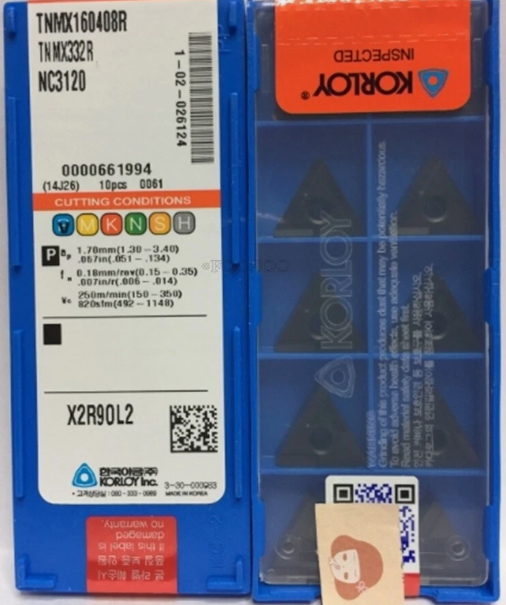
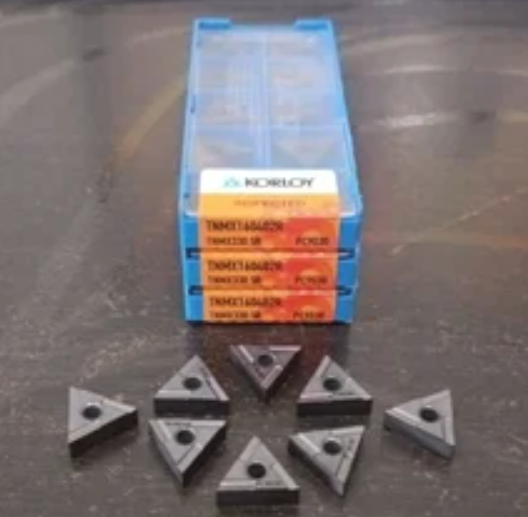
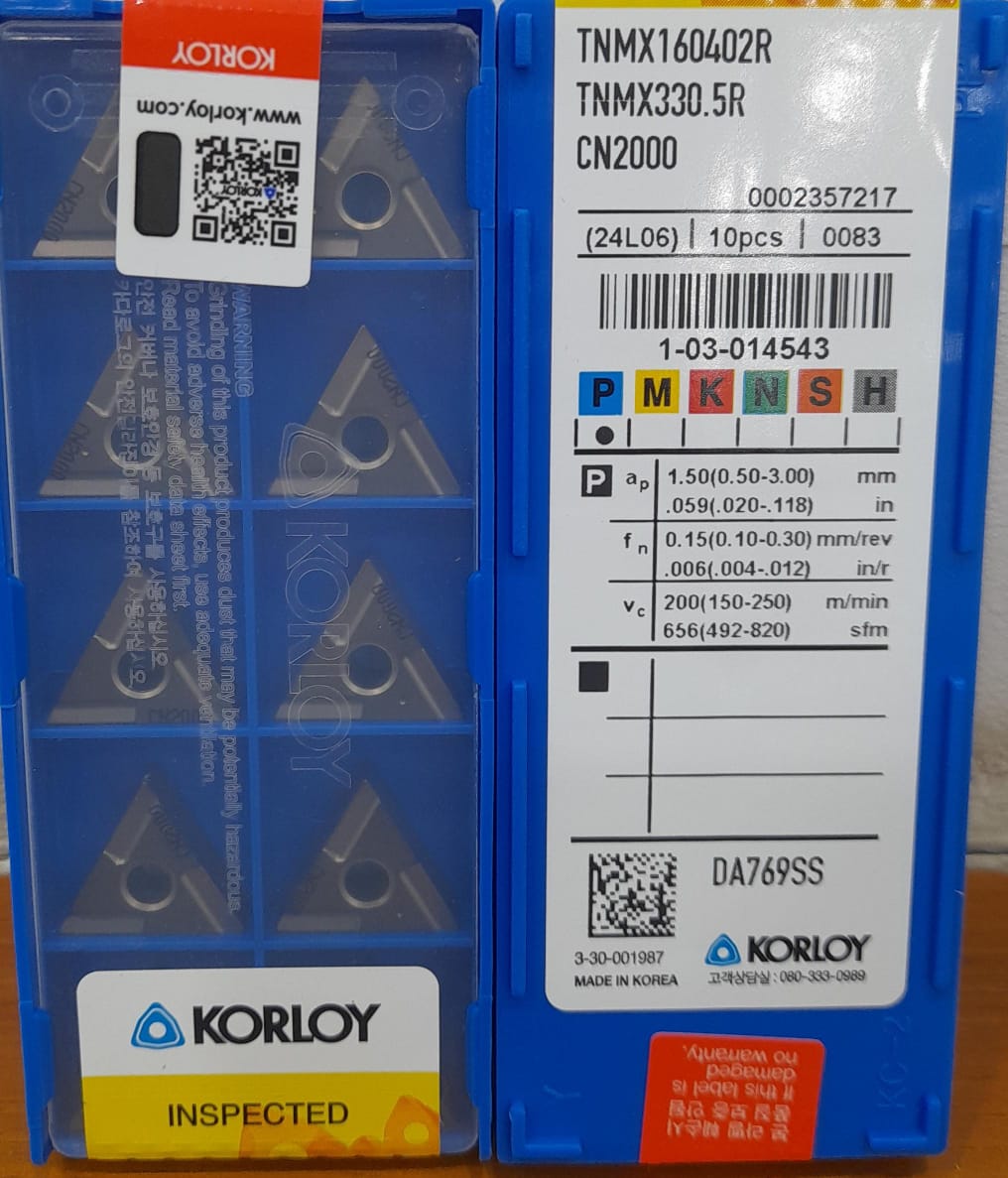
Korloy TNMX160408L NC3120
Achieve longer tool life & lower cost per part with the Korloy TNMX160408L NC3120—a carbide turning insert built for medium to heavy steel applications. High wear resistance, excellent surface finish, minimal downtime. Perfect for automotive, dies & mould, general engineering.
Boost your machining efficiency with Korloy TNMX160408L NC3120—a premium carbide turning insert engineered for steel machining under medium to rough cutting conditions. Built on Korloy’s trusted NC3120 grade, this insert combines toughness with advanced CVD multilayer coating (TiCN + TiC + Al₂O₃) for outstanding heat resistance, wear resistance, and extended tool life.
The TNMX geometry offers strong cutting edges and excellent chip control, making it ideal for high-productivity turning where stability and consistency are critical. With improved edge security, the insert performs reliably even in interrupted cuts and heavy stock removal, ensuring machinists spend more time cutting and less time changing inserts.
Hook / Attention Grabber
Tired of frequent insert changes? Cut more parts with fewer interruptions—Korloy’s TNMX160408L NC3120 delivers extended life and lower cost per component in steel turning operations.
Key Features & Specs
-
Grade: NC3120 (Korloy’s steel-grade for medium to roughing cuts) — offers excellent toughness and wear resistance under demanding conditions.
-
Material / Carbide & Coating: Cemented carbide with CVD coating system (TiCN + TiC + Al₂O₃ layers) for high temperature stability and oxidation resistance.
-
Geometry / Chipbreaker: The TNMX style insert has a triangular or related positive rakes depending on exact variant (TNMX160408L: 60°-type, with appropriate relief and edge preparations for steel) to allow good chip flow, reduced cutting forces. (L = left hand, etc.)
-
Size / Dimensions: “160408” means approx IC / inscribed circle size ~ 16 (ISO), thickness & edge length matching that code; corner radii (the “08” etc) suitable for medium chip widths. (Exact radii depending on the sub-variant.)
-
Applications: Turning (roughing to semi-finishing) on steel, especially medium hardness to tougher steels; also effective in interrupted cuts due to good edge stability. Best suited where high removal rates + good finish are both needed.
Why It’s a Best Seller
-
Less Downtime: Higher wear resistance & fracture toughness means fewer insert changes; less stoppage for re-loading also reduces labour & waste.
-
Better Surface Finish: The stable cutting edge & good coating maintain sharpness longer, giving consistent finish over multiple parts.
-
High Wear & Heat Resistance: Coating + carbide substrate keep tool from softening at higher cutting speeds, meaning more cutting per insert, and better cost per part.
-
Versatility: Can be used in general-steel turning, automotive components, dies & mould steel, shafts, gears etc.
Industries That Benefit Most
-
Automotive: shafts, gears, housings
-
Aerospace: parts with steel alloys where precision & finish matter
-
Die & Mold: components with steel molds, tooling steel
-
General Engineering / Manufacturing: shafts, pulleys, fixtures, hydraulic parts etc
Practical Performance Example
Under medium turning of SCM415 (steel) using NC3120 grade inserts, operations with TNMX / TNMG style inserts reach cutting speeds up to 300-350 m/min, feed & depth combinations for good productivity with consistent tool life vs older uncoated or lower-grade inserts. (Based on Korloy examples from catalog data.)
Call-To-Action
Ready for optimized tool life and smoother machining? DM, WhatsApp, or call CNC Tools Depot — India’s largest carbide insert marketplace — to check stock, pricing, or arrange bulk orders.
Send us a WhatsApp to check today’s price & availability. /
/ 
Related Products
You May Also Like

Frequently Asked Questions
It is optimized for steels (medium to high hardness), especially carbon steels, alloy steels, and some tough steels. For softer materials like aluminum, you’ll get less benefit in wear resistance; a softer-grade insert would be more efficient there.
Yes. The NC3120 grade has good toughness and the TNMX geometry supports stability, making it suitable for intermittent cuts and heavier depths of cut. However, ensure your machine setup (rigidity, toolholder, etc.) supports it.
As a starting point for steel: moderate cutting speed (e.g. 200-300 m/min depending on steel grade), depth of cut and feed matched to toolholder/rigidity. Then increase as stability allows. Always follow Korloy’s published recommendations for your steel type and machine.
Savings come through fewer insert changes, less downtime, lower scrap from inconsistent finishes, and better life under heat/wear. Depending on production volume and material, savings can be quite significant—sometimes reducing cost per component by 20-40% vs older inserts/grades.
In most cases yes, if they accept TNMX / TNMG / triangle ("TNM-series") inserts with the correct orientation (left/right), inscribed circle, thickness etc. If you’re unsure, send us the insert size/holder details; we can confirm fit.

India's Largest Marketplace for Carbide Inserts & Cutting Tools.


© 2026. All Rights Reserved
Disclaimer: All Brand Logos belong to their respective owners, CNC Tools Depot is sharing publicly available information